
How to Find More RFPs & Win Them in 2026? Tips & Checklist
Stop hunting blindly for RFPs. Know the smart ways to find RFPs, track, and win them with our easy checklist and best practices for 2026.

Co-founder & CEO, AutoRFP.ai··10 min read
Your competitors aren’t winning more bids because their product is better. They’re winning because they consistently find and respond to more RFPs before you even notice them. This starts with having a reliable system for discovering the right RFP opportunities.
In this article, I’ll share where and how to find RFPs, best practices that improve win rates, and common mistakes to avoid.
What Is an RFP & Why Companies Issue Them?
A Request For Proposal (RFP) is a procurement document issued by a company to invite potential vendors to propose solutions for its project. It normally includes the company’s needs, timelines, and evaluation criteria, which vendors use to personalize their responses.
Benefits of using RFPs for companies:
Cost optimization: Asking multiple vendors to bid helps companies compare prices and decide which vendor offers better return on investment.
Quality assurance: Comparing vendors’ skills and experience helps companies make a confident decision, avoid procurement risks, and ensure alignment with project requirements.
Standardization: A standard process makes it easier to compare vendors objectively and consistently.
Clear expectations: Since the RFP process is documented, companies have a clear record of why a vendor was chosen and what commitments were made. If any promises are not met, vendors can be questioned.
Main Types of RFPs Out There
RFPs usually fall into open, closed, and hybrid types. Understanding each RFP type helps you target the right opportunities for your ICP.
Open RFPs
Also known as public RFPs, open RFPs are bids that any company can respond to. While it is fairly easy to find these opportunities, the competition is intense, which may hurt your win rates.
Government RFPs
The most common type of open RFPs are those issued by government bodies. These RFPs can be found on federal, state, and local procurement portals and often cover projects in infrastructure, IT, and consulting fields.
While these RFPs follow clear and transparent procedures, their requirements can be extensive and complex. Governments also frequently require specific certifications - if you don’t have them timely ready, you’ll lose out.
Education RFPs
These open RFPs are issued by schools and universities. One advantage of working with such clients is that partnerships with them tend to be long-term. Once they find a reliable vendor, they often continue the relationship for years.
However, budget considerations play a major role in their decisions. This means a competitor with fewer features but affordable pricing could get an upper edge.
Closed RFPs
Closed RFPs are invitation-only opportunities sent to pre-selected vendors based on past relationships, recommendations, or subscriptions to different groups/databases.
Business RFPs
Private companies issue these RFPs for technology, marketing, consulting, and operational needs.
Since these RFPs are shared with a limited group of vendors, the competition is lower and companies have a stronger chance of winning the bid.
That being said, if you don’t have strong industry networks and relationships, you’ll miss out on business RFP opportunities - even if they are highly relevant to you.
Consultant and Broker Management RFPs
For niche projects, companies often work with consultants or brokers who have deep expertise in their industry. These consultants issue RFPs on the company’s behalf because they understand the market, the key vendors, and how to evaluate them effectively.
If you’re not on these brokers’ radar, you may miss out on valuable opportunities and potential clients.
Hybrid RFPs
Hybrid RFPs blend features of both open and closed RFPs. They are shared with a selected group of vendors while also leaving room for other interested vendors to submit a proposal response.
Hybrid RFPs are helpful for newer vendors in the industry who may not yet have strong relationships with consultants or brokers, giving them a chance to compete alongside established players.
But the outcome and turnaround time is usually not predictable for hybrid RFPs because the number and quality of incoming proposals can vary widely.
Where to Find RFPs and How to Get Them
Finding the right RFPs consistently requires knowing where to look and then implementing a system for monitoring them. Below are the five primary channels on where to find RFPs:
Government Procurement Platforms
Government RFPs are posted on federal, state, provincial, and local portals. These platforms are reliable because they follow strict timelines, publish detailed requirements, and cover everything from technology to construction.
Some common government procurement platforms include:
| Government Procurement Platform | Pricing |
|---|---|
| FindRFP | Paid - free trial offered |
| MyGovWatch | Paid - free trial offered |
| BidNet | Paid |
| BidSearch | Paid - free trial offered |
| BidsUSA | Free and Paid |
| Federal Procurement Data System | Free |
| SAM.gov | Free |
| Tendersinfo | Paid |
| AusTender | Free |
| GovSpend | Paid |
| Bid Banana | Paid |
| Bid Prime | Paid - free trial offered |
| Open Minds | Paid |
| Open Opportunities | Paid |
| Prosal | Paid |
Pro Tip: Most government portals let you subscribe to updates based on keywords, like IT services, construction, etc. Once you do, new opportunities land directly in your inbox the moment they’re published.
RFP Aggregator Platforms
These aggregators crawl thousands of sites daily to consolidate opportunities into searchable databases. These platforms have a strong filtering system, so you can search for RFPs based on location, industry, budget size, etc.
Some aggregators like BidsInfo can be accessed free of charge, but for others, like TendersOnTime, you need to pay a subscription rate to access RFPs.
Enterprise Procurement Portals
Large companies in sectors like telecom, banking, and construction often run their own procurement portals where they publish RFPs for registered vendors. To access these opportunities, vendors need to register on each company’s portal.
Keeping your vendor profile complete and up to date is critical. Procurement teams often filter vendors based on compliance documents, certifications, budgets, and past performance. If any of these fields are incomplete or outdated, you may not be shortlisted.
Industry-Specific Sources
Different industries use their own specialized procurement portals/groups where companies regularly post RFPs for vendors in that sector. These platforms act as central hubs, making it easier for vendors to find opportunities that match their expertise. Examples include Open Minds for healthcare and Philanthropy News Digest for nonprofit RFPs.
Subscribe to specialized portals, join trade associations, and monitor industry newsletters to find timely RFP opportunities.
Proactive Relationship Building
All the methods I’ve shared so far are passive. To ensure a steady stream of RFP opportunities, you need to adopt more proactive methods as many companies issue closed RFPs only to known vendors.
Build relationships to access opportunities before they are formally issued. Attend industry conferences, reach out to procurement teams at target companies, and schedule exploratory meetings to understand upcoming needs.
How to Find RFPs in Your Industry
The easiest way to narrow your search is by focusing on industry-specific sources. Many sectors publish their own RFPs on niche portals, associations, and social network groups.
Common industries you can track:
IT and software development
Healthcare and medical services
Education
Construction and engineering
Marketing, advertising, and creative services
Finance, insurance, and banking
Best Practices to Win More RFPs
Don’t celebrate early after finding the right RFP opportunity for your business. You still need to win the procurement company over with a tailored response, and be ready to defend it live in an RFP presentation if you’re invited to a finalist round. Below are a few best practices to follow to increase win rates:
Implement Go/No-Go Qualification for Each Proposal
Use a qualification framework before committing resources to responding to RFPs. Assess relationship strength with the procurement company, strategic fit, win probability, and resource availability. Data shows that 72% of vendors evaluate an RFP with a go/no-go framework before starting on a formal response.
Pro Tip: Use this free go/no-go decision template to avoid wasting time on RFPs that are not aligned with your company.
Use AutoRFP.ai to Respond to RFPs Faster and Better
One of the strongest ways to improve your win rate is by responding faster without sacrificing quality. AutoRFP.ai makes this possible by drawing from your previous responses and automatically answering common questions - producing a ready-to-submit draft in minutes. In fact, 63% of its AI-generated answers are used as-is, requiring no edits.
Side Note: AI tools often face criticism for weak security practices, but AutoRFP.ai takes a different approach. Unlike other RFP platforms, it does not use customer data to train LLMs. AutoRFP.ai is also ISO 27001 and SOC 2 certified and invests significant resources to ensure customer data is fully protected.
Review and Learn After Each RFP Submission
After submitting each proposal, take the time to review what worked well and what didn’t. Record lessons learned, including how long the process took, where friction occurred, how many revisions were needed, and any feedback received from the client.
Tracking these RFP metrics over time helps your team identify patterns, streamline workflows, and avoid repeated mistakes - ultimately, improving win rates in the long run.
Mistakes to Avoid When Searching for RFPs
RFP sourcing mistakes can slow your pipeline and lead your team toward low-quality bid opportunities. Avoid the below mistakes to ensure you not only find, but win relevant RFPs:
Searching too broadly and wasting time on irrelevant industries
Not setting up automated alerts, which leads to missed contract opportunities
Ignoring private-sector portals and relying only on government sources
Not taking proactive measures to build relationships with consultants, brokers, and target companies
Failing to complete your profile on RFP databases that can result in your submissions being rejected or overlooked
How to Automate Your RFP Responses using AutoRFP.ai
AutoRFP.ai streamlines manual RFP processes with intelligent automation, helping your team save time, reduce effort, and increase win rates.
Import RFPs Properly With AI
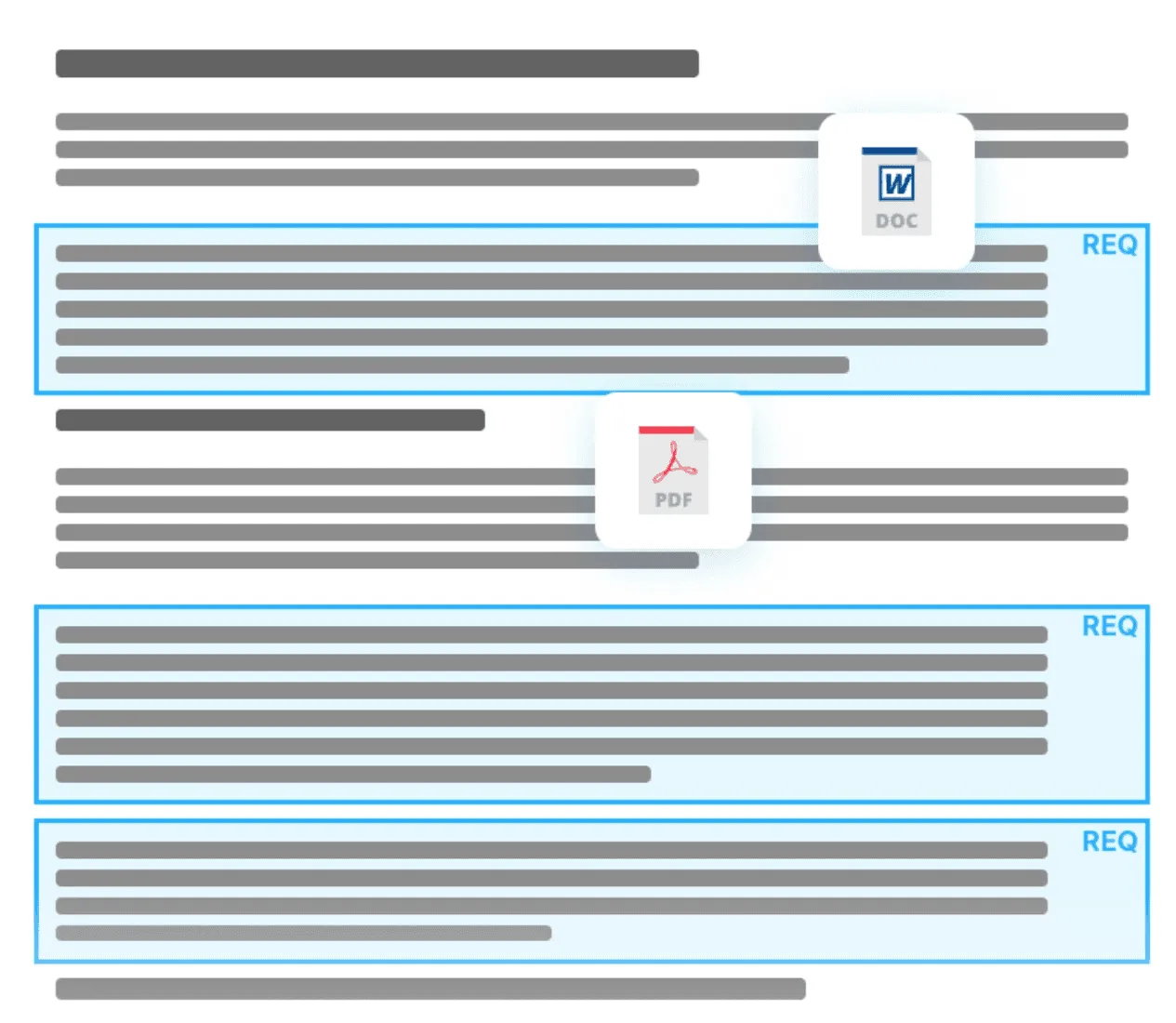
Start by uploading the RFP document into AutoRFP.ai. It automatically extracts all questions and requirements, mapping fields from Excel, Word, and PDF files. This eliminates manual copy-pasting and prevents errors that often occur during import.
Generate AI-Powered Responses to RFPs
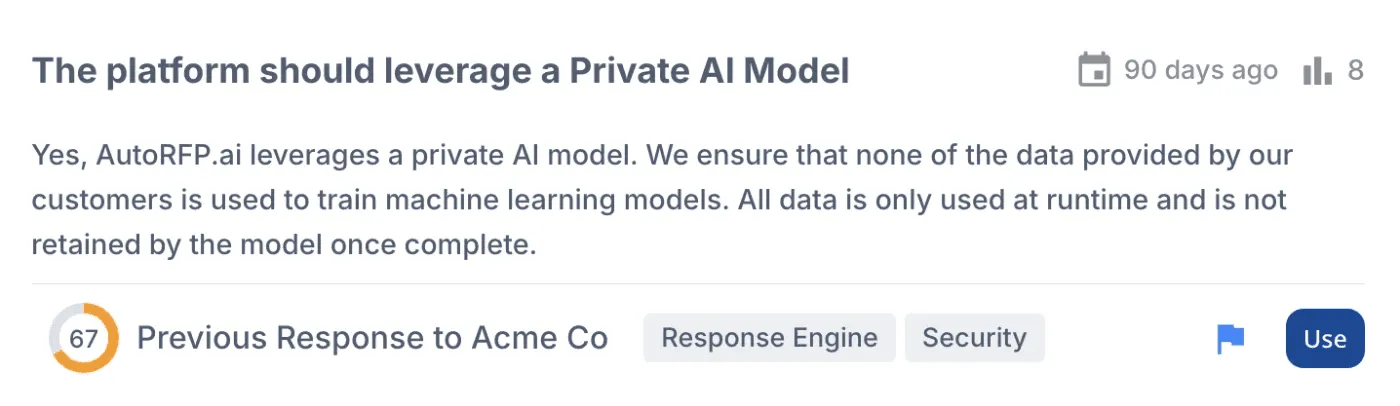
AutoRFP.ai analyzes requirements and generates high-quality first drafts using your content library, past responses, and case studies.
To ensure transparency, each AI-generated answer comes with a trust score and source citations, addressing the “black box” concerns often associated with AI.
Collaborate With SMEs Inside the Platform
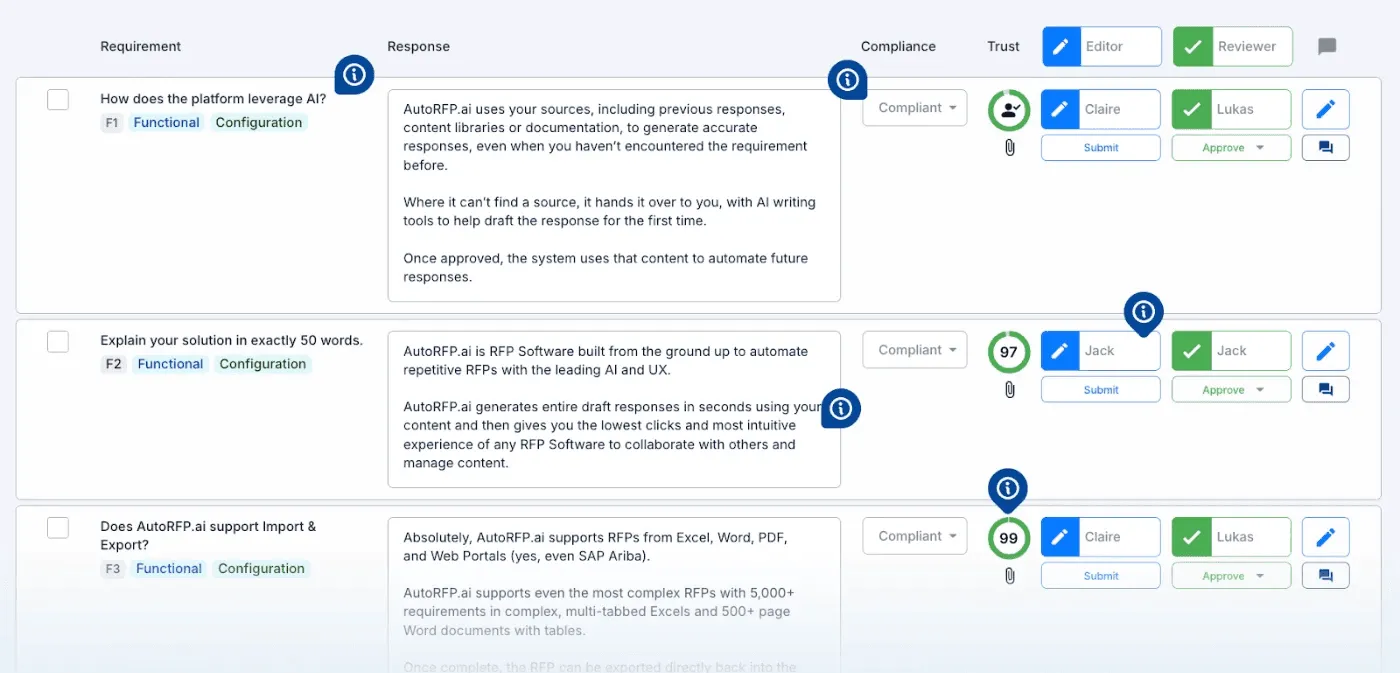
AutoRFP.ai allows you to assign specific sections of the RFP to subject matter experts for their input or supervisors for their review.
Everyone gets a clear view of what is needed and where. This reduces the constant back-and-forth and delays that often come with using different communication tools.
Translate Responses Automatically
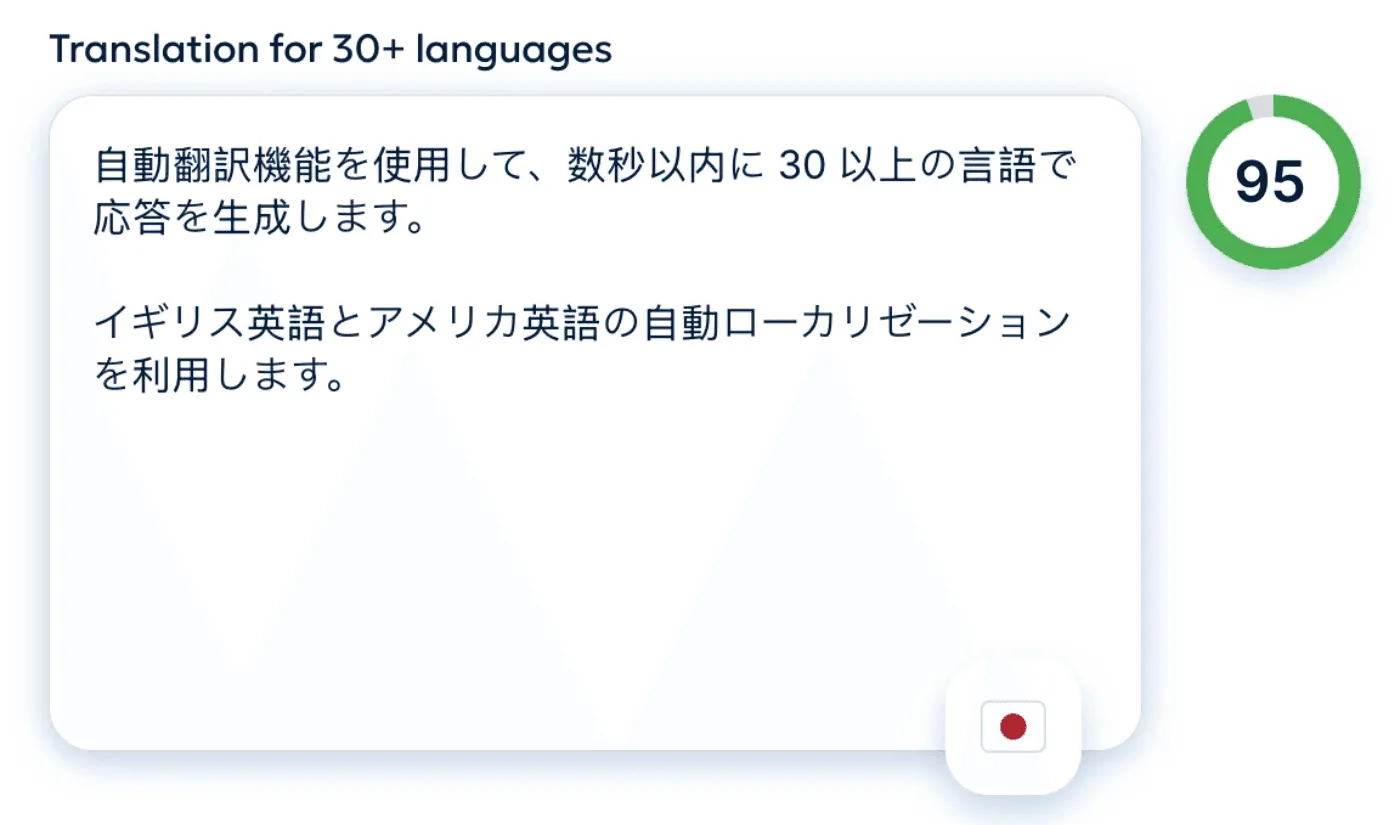
RFPs can come from anywhere in the world, often in different languages or regional formats. AutoRFP.ai handles this automatically, translating responses into 30+ languages and localizing content for variations like US and UK English.
This ensures every bid feels professional and culturally appropriate.
Submit Responses With Confidence
Like its AI Import, AutoRFP.ai allows you to export your responses in Excel, Word, PDF, or even the original format provided by the client. This ensures your proposal looks polished and professional.
Final Checklist on Finding RFPs
Run through this quick checklist before you start looking for your next RFP opportunities:
Track the right portals and aggregators relevant to your industry
Filter RFPs by deadlines, budget, and location
Join industry associations and social network groups
Set up automatic alerts to avoid manual monitoring
Prioritize high-fit opportunities where you have a strong chance of winning RFP’s
Use AutoRFP.ai to monitor proposals, filter the right opportunities, and respond to them faster and better. Learn more about how AutoRFP.ai can streamline your workflow.
About the author

Co-founder & CEO
Co-founder and CEO of AutoRFP.ai. Spent 7 years running global RFPs and personally completed 500+ RFPs before founding the company.
LinkedIn